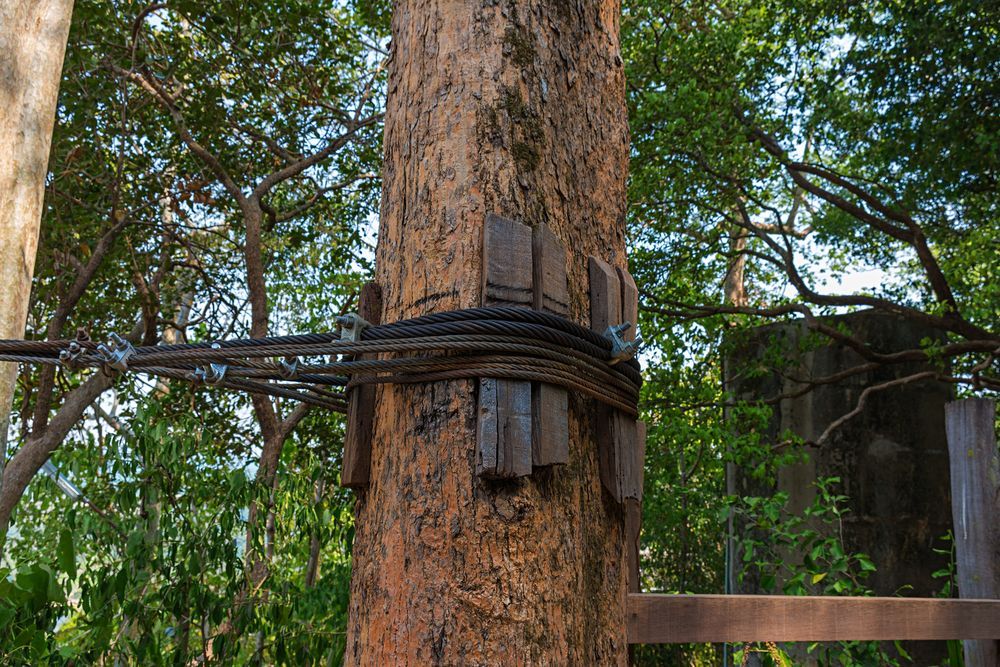
Cabling and bracing in Ingleside, IL is a structural tree support service designed to stabilize trees with weakened limbs, poor branch attachments, or compromised structural integrity. Trees experiencing internal stress or imbalance can pose safety concerns, especially when located near homes, driveways, sidewalks, or commercial buildings. Top & Drop Complete Tree Service provides professional cabling and bracing solutions to help manage these risks while preserving the tree whenever appropriate.
Trees may develop structural weaknesses due to age, storm damage, improper pruning, or natural growth patterns. In Ingleside, seasonal storms, high winds, ice buildup, and heavy snow can place additional strain on already stressed trees. Cabling and bracing systems help redistribute mechanical load, reducing the likelihood of limb failure or trunk splitting under environmental pressure.
Purpose of Cabling and Bracing for Tree Stability
Cabling and bracing serve as preventative measures to support trees that show signs of structural weakness but do not require removal. In Ingleside, IL, this service is commonly used for mature trees that have developed heavy canopies, multiple dominant stems, or weak branch unions.
Structural support systems help trees withstand external forces by limiting excessive movement. By reinforcing vulnerable areas, cabling and bracing reduce stress on compromised joints and encourage continued stability. This approach allows trees to remain in place while managing risk and maintaining safe conditions on the property.
How Cabling and Bracing Systems Work
Cabling and bracing in Ingleside, IL involves installing specialized hardware within the tree to provide internal and external support. Each system is designed based on the tree’s structure, size, and specific weaknesses.
Tree Cabling Systems
Cabling involves placing flexible steel cables between major limbs or stems in the upper canopy. These cables limit how far branches can move during high winds or storms, reducing strain on weak attachment points. Cabling does not restrict natural movement entirely but provides controlled support to prevent sudden failure.
Tree Bracing Systems
Bracing typically involves installing threaded steel rods through weak branch unions or split trunks. These rods provide internal reinforcement, holding structural components together and preventing separation. Bracing is often used when cracks or included bark have weakened the tree’s core structure.
Combined Support Applications
In some cases, cabling and bracing are used together to address multiple structural concerns. The combination provides both internal reinforcement and external load support, offering a comprehensive stabilization solution.
When Cabling and Bracing Are Necessary
Cabling and bracing are not required for all trees, but they are essential in certain situations. In Ingleside, IL, this service is commonly recommended when a tree presents a moderate risk but retains value or functionality.
Weak Branch Attachments
Branches with narrow attachment angles or included bark are more likely to fail. Cabling helps reduce stress at these junctions by sharing load with stronger portions of the tree.
Split or Cracked Trunks
Trees that have developed vertical cracks or partial splits may benefit from bracing to prevent further separation. Stabilizing these defects can slow progression and improve overall strength.
Overextended or Imbalanced Canopies
Trees with uneven canopy growth may experience excessive leverage during storms. Cabling helps redistribute forces and reduce movement that could lead to breakage.
Cabling and Bracing as a Risk Management Strategy
Cabling and bracing in Ingleside, IL play an important role in managing tree-related risks. Trees located near occupied structures or high-traffic areas require additional consideration, as failure could result in significant damage or injury.
Reducing Failure Potential
Support systems lower the likelihood of sudden limb or trunk failure by reinforcing weak points. While cabling and bracing do not eliminate all risk, they significantly reduce stress under normal weather conditions.
Supporting Long-Term Tree Retention
In situations where removal is not immediately necessary, cabling and bracing allow trees to remain in place while being monitored over time. This approach supports responsible tree management without unnecessary removal.
Environmental and Property Considerations in Ingleside, IL
Local environmental conditions influence how trees respond to cabling and bracing systems. Ingleside experiences variable weather patterns that can place ongoing stress on supported trees. Seasonal inspections are important to ensure systems remain effective as trees grow and conditions change.
Property layout also plays a role in determining support placement. Trees near homes, garages, fences, or utility lines require precise installation to avoid interference with structures while maintaining effective stabilization. Each site is evaluated individually to ensure systems are installed safely and appropriately.
Inspection, Maintenance, and Follow-Up
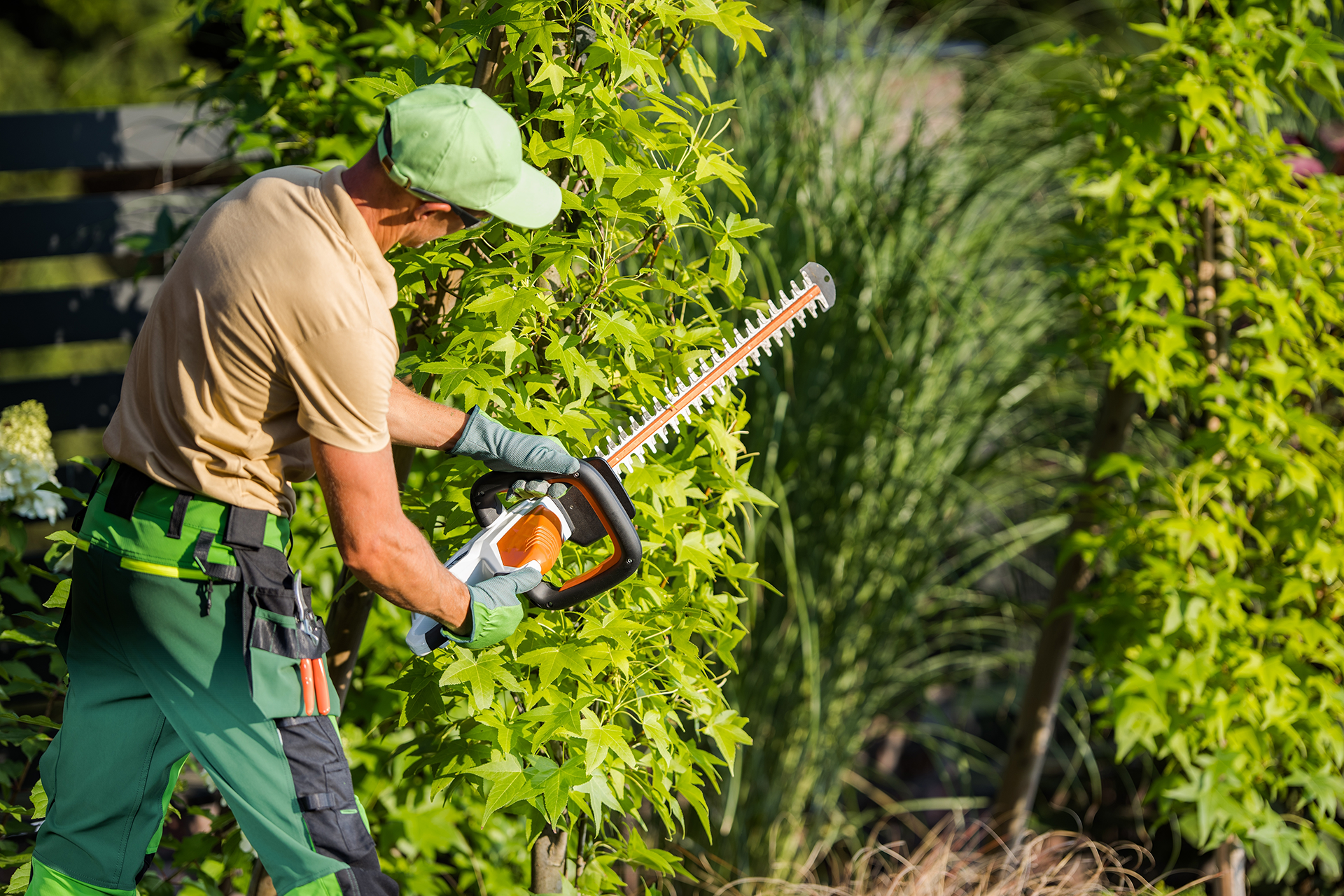
Cabling and bracing systems require periodic inspection to remain effective. As trees grow, cables and rods may need adjustment to prevent constriction or hardware fatigue. Regular evaluations help ensure continued support and identify any changes in tree condition.
Following installation, property owners benefit from understanding how the tree is responding to the added support. Ongoing monitoring helps determine whether additional pruning, adjustments, or eventual removal may be necessary as the tree ages.
Cabling and bracing in Ingleside, IL provide a strategic solution for managing structurally compromised trees while maintaining safety and stability. Through careful evaluation, precise installation, and ongoing oversight, Top & Drop Complete Tree Service
helps property owners address tree risks responsibly and effectively.